
Summary
Learning what to do if a senior falling at home alone occurs can help families create a practical safety plan that protects independence while reducing risks. The first hour after a fall is critical, and preparation before an incident happens makes all the difference.
- A phone alone isn't always enough—falls often happen in bathrooms or bedrooms where reaching a phone may be impossible
- Senior fall detection systems with automatic alerts and two-way communication can provide faster emergency response when paired with other safety measures
- Home updates like improved lighting, non-slip surfaces, clear pathways, and grab bars address common fall risks and are often the first step families should take
- Regular check-ins, vision and hearing checks, and honest conversations about what feels manageable help keep safety plans realistic and effective
- When living alone becomes challenging, communities offering Independent Living with supportive services can provide safety, social connection, and maintained independence
For older adults living on their own, one missed step can quickly shift the day. A senior falling at home alone may be able to get up and continue as usual, or they may need help they cannot reach right away. That's why families often ask a practical question: what if a parent falls and nobody is home?
The answer starts with planning. Understanding fall risks in older adults can help families make thoughtful choices about technology, home setup, and living arrangements that preserve autonomy while making daily life feel more manageable.
The First Hour After a Fall & Why It Matters
The first hour after a fall is often the most important. The concern isn't only the fall itself, but whether the person can get help, reach a phone, or move to a safer position.
A longer wait may increase the risk of:
- Dehydration
- Discomfort from staying in one position
- Chills from lying on tile, concrete, or another cold surface
- Stress, confusion, or panic
- Difficulty contacting family or emergency responders
This is why emergency response for seniors should be part of the conversation before a fall happens. The goal isn't to take away independence. The goal is to create a plan that makes sense for how someone actually lives day to day.
Why a Phone Is Not Always Enough
Many families feel better knowing a parent keeps a phone nearby. That can help, but falls don't happen in predictable places. A phone may be on the counter, in another room, or tucked into a bag. If the person falls in the bathroom, bedroom, or hallway, reaching it may not be realistic.
Voice-activated devices can be helpful, but they still depend on clear speech and conscious instructions.
That's why families often look beyond phones when preventing falls while living alone. A stronger plan may include technology, home updates, and regular check-ins.
How Senior Fall Detection Systems Fit Into a Safety Plan
Senior fall detection systems are designed to identify movements that may indicate a fall. Many include wearable devices, automatic alerts, and two-way communication so the person does not always have to press a button.
Common features may include:
- Automatic fall detection
- Emergency response connections
- Two-way voice communication
- GPS location tools for use outside the home
- Family notifications or wellness check options
These systems can offer an added layer of confidence, but they work best as part of a larger plan. Technology can help, but the home environment still matters.
Common Fall Risks in Older Adults at Home
Most homes weren't designed with changing balance, vision, or mobility in mind. Over time, everyday items can become tripping hazards.
Common risks include:
- Poor lighting in halls, bathrooms, or bedrooms
- Loose rugs or uneven flooring
- Wet bathroom surfaces
- Cluttered walkways
- Stairs without steady railings
- Furniture arranged too tightly
- Items stored too high or too low
Small updates can make a meaningful difference. Families may consider brighter lighting, clear walking paths, grab bars, non-slip surfaces, and easier access to everyday items.
When Home Updates Aren't Enough
Even with planning, living alone may start to feel less practical. Choosing a community setting does not mean giving up independence. It can simply make daily life easier, more social, and more connected.
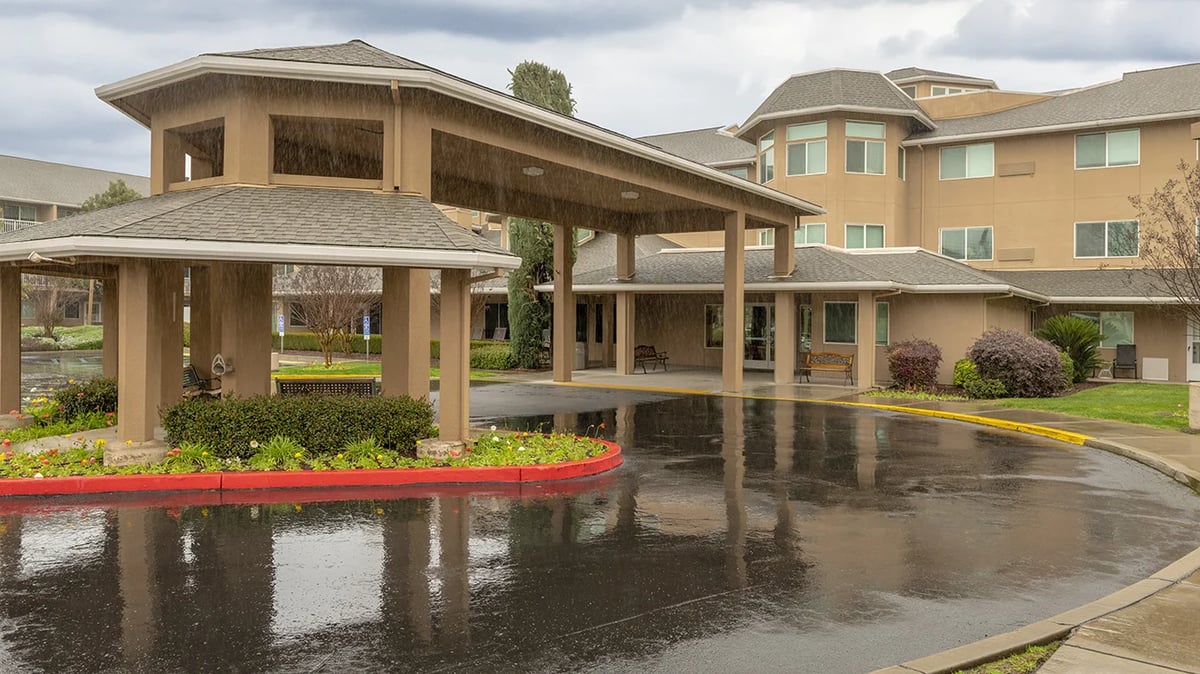
The Hampshire in Merced, CA, offers Independent Living with supportive services** in a recently renovated, pet-friendly community near Lake Yosemite. Residents enjoy apartment homes and cottages, three daily meals, scheduled transportation, weekly housekeeping, an emergency response pendant, walking paths, a Health & Fitness gym, a library, a game room, a theater, and a Professional Salon & Barbershop.
Building a Practical Fall Prevention Plan
A strong plan should be simple enough to maintain. It may include home updates, emergency contacts, and a regular review of what's working.
Consider these steps:
- Walk through the home and remove tripping hazards
- Improve lighting in high-use areas
- Keep emergency contacts easy to find
- Review senior fall detection systems
- Schedule regular vision and hearing checks
- Talk honestly about what feels manageable
- Revisit the plan as needs and routines change
For many families, the best plan is the one created early, before a stressful moment forces quick decisions. A calm conversation can help older adults stay involved in the choices that affect their daily lives.
FAQ: Senior Falling at Home Alone
What Should I Do if My Parent Falls When Nobody Is Home?
Start by making sure they have a way to contact help quickly. This may include a phone, a wearable alert device, or a fall detection system. After the situation is resolved, review what happened and adjust the home setup or safety plan as needed.
Are Senior Fall Detection Systems Worth Considering?
They can be helpful for people who live alone or spend long stretches of time by themselves. They're not a complete solution, but they can support faster emergency response for seniors when paired with home updates and regular communication.
How Can Families Help With Preventing Falls Living Alone?
Look for practical changes first: better lighting, clear pathways, non-slip bathroom surfaces, and easier access to everyday items. Then consider whether the current living arrangement still supports the person’s preferred lifestyle.
Schedule a tour of The Hampshire to explore Independent Living with supportive services** in Merced, CA.
**A choice of third-party providers is available onsite for convenience, but residents are under no obligation to use any particular one.