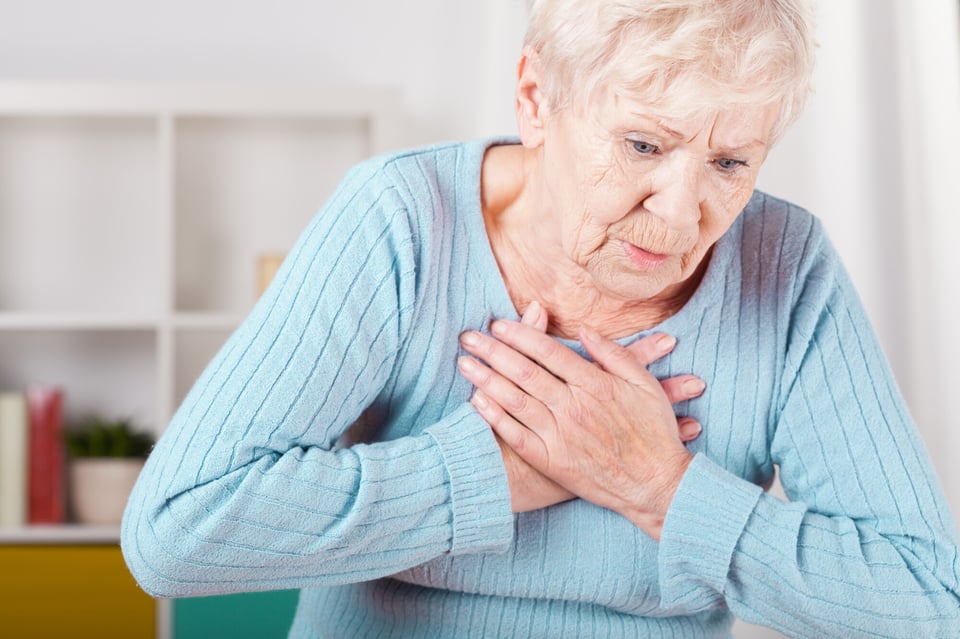
The signs of a silent heart attack can feel like having the flu, sore chest or upper back muscles, or aching in the jaw, arms, or upper back, according to the Cleveland Clinic. Other symptoms can include extreme tiredness and even indigestion. These are not what we typically associate with heart attacks, which is why they can be so dangerous.
Harvard Health Publishing states that as many as 45% of heart attacks may be silent, with none of the intense chest pain people typically expect. For seniors, that subtlety can make it easier to dismiss symptoms or assume they are part of everyday fatigue.
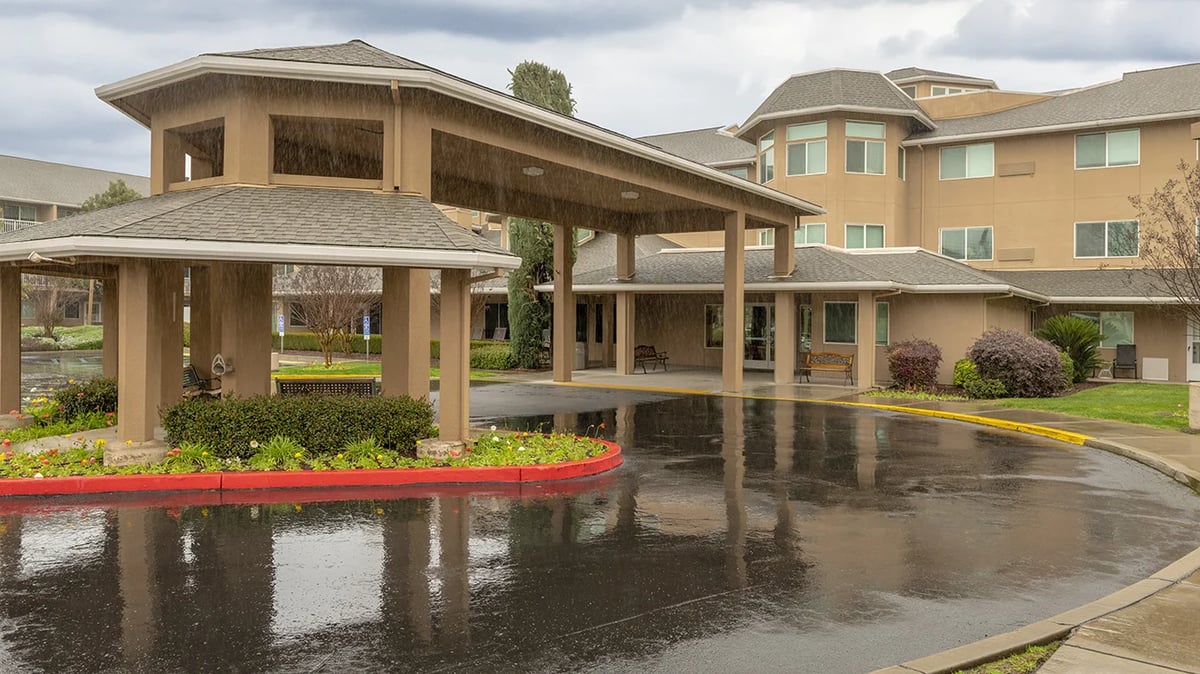
At The Hampshire in Merced, CA, daily life is shaped by familiar routines, social connections, and a steady pace that supports awareness. Located just minutes from Lake Yosemite, with its beach and country park, The Hampshire offers a calm setting that supports senior heart health. Nutritious meals, regular activities, and a community where you belong are just some features that help our residents live lives that support heart health.
How Can I Recognize the Signs of a Silent Heart Attack?
The signs of a silent heart attack often feel mild, vague, or easy to explain away. Instead of sharp pain, symptoms may appear as discomfort, pressure, or a general sense that something is not quite right. These heart attack signs are frequently overlooked because they do not match the classic image many people associate with a cardiac event.
Understanding the Differences
According to Healthline, classic heart attack signs can include:
- Chest discomfort or pressure that feels unfamiliar
- Shortness of breath
- Pain or tightness in the jaw, neck, back, shoulder, or arm
- Sudden fatigue that feels unusual or out of proportion
- Light-headedness, nausea, or unexplained weakness
What matters most is not intensity, but change. When a sensation feels new, persistent, or different from your usual baseline, it deserves attention rather than dismissal. Developing cardiac awareness means paying attention to patterns over time instead of isolated moments.
Why Silent Symptoms Are Often Missed as We Age
Changes in the body are a natural part of aging and heart awareness becomes more important with time. Many seniors are used to managing stiffness, aches, or lower energy levels, which can make it easier to normalize discomfort rather than question it.
As people get older, heart attack signs may present differently and feel less dramatic. This is one reason senior health tips often focus on awareness and consistency rather than intensity. When daily routines are steady, unexpected changes stand out more clearly.
At The Hampshire, residents benefit from a predictable daily rhythm. Regular meals, scheduled activities, and shared community spaces reduce daily stress and make it easier to notice when something feels off, whether that is lower stamina, unusual fatigue, or discomfort during routine movement.
How Long After a Silent Heart Event Can It Be Identified?
Many individuals only discover they experienced a silent heart event weeks or even months later. The Cleveland Clinic goes on to explain that a disrupted pulse or strange sounds in the lungs can be signs that a silent heart attack has occurred.
This delayed recognition highlights the importance of cardiac awareness. Understanding how your body normally feels makes it easier to recognize when something has changed. If something feels different, get it checked out as soon as possible!
What Role Does Everyday Movement Play in Heart Health?
There is no single best activity for everyone when it comes to heart health. For most seniors, the most valuable movement is an activity that feels comfortable, approachable, and easy to maintain.
At The Hampshire, residents can take part in light group activities listed on the community calendar, such as chair exercise, gentle movement sessions, and social activities that encourage participation without pressure. These options support consistency, which is key to achieving the CDC's recommendation of 150 minutes per week of moderately strenuous activity.
When movement is built into the day through scheduled activities and social connection, it becomes part of everyday life instead of something that feels like a task.
Frequently Asked Questions
How Can Independent Living Support Ongoing Heart Health Awareness?
A senior living environment can support heart health awareness by reducing daily stressors and creating consistency in everyday life. When responsibilities like home maintenance, meal preparation, and scheduling are simplified, seniors often have more mental space to notice how they feel during normal activities.
Social interaction also plays a role, as regular engagement with others provides natural reference points for energy levels and participation. If you notice that you're not keeping up as usual or don't feel quite right, don't just dismiss it. Talk to your healthcare provider as soon as possible and get yourself checked out.
Why Is Cardiac Awareness Especially Important for Older Adults?
As the body changes with age, symptoms may feel less obvious or easier to dismiss. Cardiac awareness helps seniors recognize when something feels new or unusual rather than assuming it is part of everyday aging. Remember, heart disease is still the biggest cause of death in the US, so cardiac awareness is extremely important.
Why Is It Important Not To Compare Your Symptoms To Someone Else's Experience?
Heart-related symptoms, especially subtle ones, can vary widely from person to person. What feels concerning for one individual may feel mild or confusing for another, which makes comparison unreliable. Seniors often hear stories from friends, family members, or the media and assume their own experience should match those examples.
Instead, get used to listening to your body, and if something feels off, get it checked out.
Choose a Community that Fosters an Active Lifestyle
All seniors need to develop good cardiac awareness, including understanding the signs of a silent heart attack. But the best course of action is to try to avoid any type of heart attack by pursuing an active lifestyle at The Hampshire.
In our community, residents enjoy newly renovated homes and the option of adding supportive services to make our community their long-term home. With a setting that encourages routine, connection, and an active lifestyle, The Hampshire offers a lifestyle that supports awareness and balance as daily life unfolds.
See for yourself by scheduling a personal tour today.