
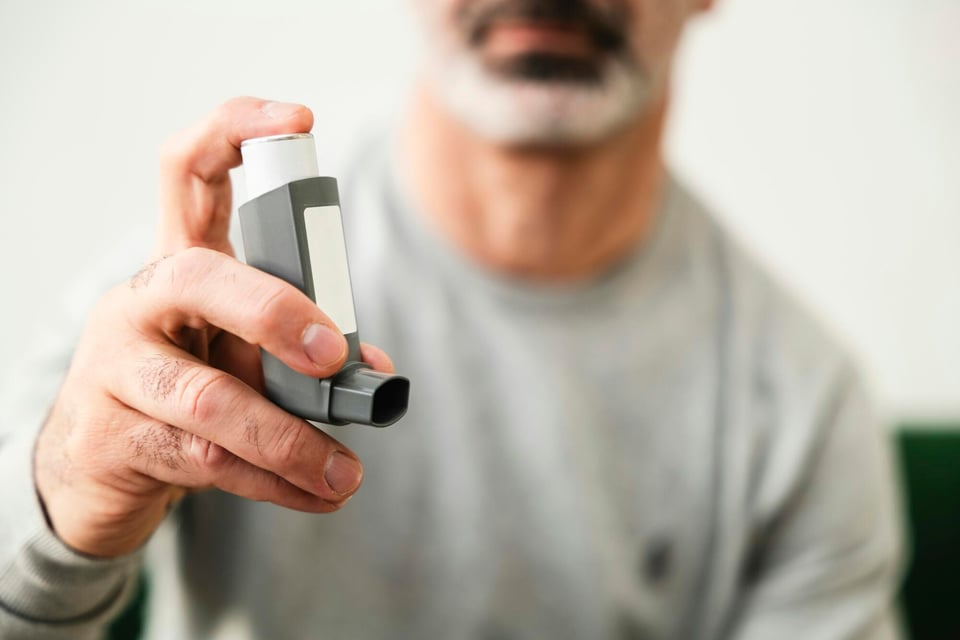
Exercise-induced asthma in seniors can cause a lot of confusion and frighten them, especially if they've never experienced it before. It's triggered by anything from cold or dry air to respiratory infections.
According to the American Lung Association, roughly 44.2 million Americans were diagnosed with asthma in 2022. While some may have grown out of it, others developed it later in life. Knowing how to handle it is essential for seniors in Merced, CA, who want to explore the many parks and wildlife refuges in the area.
Here's what seniors with asthma should know to protect themselves during exercise.
Understanding Exercise-Induced Asthma in Seniors
Exercise-related asthma in seniors occurs when physical exertion causes the airways to narrow, making breathing more difficult. Symptoms usually begin during exercise or within five to fifteen minutes after stopping. These may include:
- Shortness of breath
- Chest tightness
- Wheezing
- Coughing
- Fatigue that feels disproportionate to effort
While exercise-induced asthma can affect people at any age, what seniors experience may be influenced by age-related lung changes or the presence of other chronic conditions.
Unlike general asthma, this may only appear during physical activity. It's important to understand the difference so you don't prevent proper treatment.
Asthma Triggers for Older Adults
As the human body ages, the lungs and immune system become more sensitive. This means asthma triggers you encounter may provoke stronger or longer-lasting reactions than they did earlier in life.
Common triggers include:
- Cold or dry air during outdoor walking
- High pollen counts
- Air pollution and ozone
- Respiratory infections
- Strong scents or cleaning products
- Sudden increases in activity intensity
In older adults, recovery from airway inflammation may take longer. This makes symptom management more important than symptom endurance.
Exercise and Senior Respiratory Health
Maintaining senior respiratory health requires balancing activity with awareness. Regular movement improves lung efficiency, circulation, and oxygen use. All of these act as protective factors against asthma severity.
However, seniors may face unique challenges, such as reduced lung capacity or weakened respiratory muscles. Coexisting conditions, like heart disease or arthritis, may worsen symptoms. Some medications can affect breathing or hydration levels.
The goal is not to avoid exercise, but to approach it with thought and consistency.
Managing Asthma During Activity
Managing asthma starts with preparation and pacing. Seniors benefit from exercise routines that are predictable, moderate, and adaptable.
Helpful strategies for asthma prevention include:
- Warming up slowly for ten to fifteen minutes
- Avoiding sudden bursts of exertion
- Exercising indoors during extreme weather
- Using prescribed inhalers before activity (if recommended)
- Staying hydrated
- Cooling down gradually
Low-impact exercises like walking, swimming, and tai chi are often well tolerated by older adults with exercise-induced asthma.
Seasonal Asthma and Seniors
Seasonal asthma is common in spring and fall. These seasonal changes bring pollen, mold, temperature swings, and air pressure shifts that can irritate aging airways.
Tips for seasonal management include:
- Exercising indoors on high-pollen days
- Wearing a scarf over the mouth in cold weather
- Monitoring air quality reports
- Showering after outdoor activity to remove allergens
- Taking allergy medication to reduce reactions
Adjusting exercise timing can also reduce exposure to peak allergens. For example, choose late mornings instead of early dawn to work out or go for walks. If heat affects you, try exercising before the sun comes out in full.
What Is the 4:4:4 Rule for Asthma?
The 4:4:4 rule for asthma is a simple approach to managing symptoms during an attack. It involves giving the affected person 4 puffs of Ventolin.
First, you help the person into an upright position to improve airflow. Encourage slow and controlled breathing.
Shake the Ventolin puffer and get the asthmatic individual to take 4 breaths from each puff. Repeat until 4 puffs are given and wait 4 minutes. If the person does not improve, you can then call for an ambulance.
Using a spacer can help facilitate the medication delivery to the lungs. It's useful for dealing with acute asthma attacks and preventing wasted medication.
Does Exercise-Induced Asthma Get Worse With Age?
The answer depends on the individual. Aging itself does not automatically worsen asthma, but certain age-related factors can influence symptom frequency and severity.
These include:
- Reduced airway flexibility
- Slower immune response
- Longer recovery times after inflammation
- Increased sensitivity to environmental triggers
The encouraging news is that with consistent management, many seniors experience stable or even improved symptoms over time. Stay active, follow medical guidance, and recognize early warning signs for the best results.
Frequently Asked Questions
Can Exercise-Induced Asthma Appear for the First Time in Older Age?
Yes. Some seniors develop symptoms later in life due to changes in lung structure, reduced immune resilience, or increased exposure to triggers. Late-onset asthma is often underdiagnosed because symptoms mimic aging or heart conditions.
Always seek professional medical guidance if you notice any changes in your breathing capabilities.
Is Breathlessness During Exercise Always Asthma?
No. Shortness of breath can be caused by cardiovascular issues, anemia, or even deconditioning. Seniors should seek evaluation rather than self-diagnosing.
Should Seniors Stop Exercising If Symptoms Occur?
Not always. Temporary modification, rest, or medical adjustment is usually sufficient. Complete avoidance of exercise often worsens overall respiratory health.
Are Inhalers Safe for Older Adults?
Most inhalers are safe when prescribed by a healthcare provider. Seniors should also review inhaler technique and potential interactions with other medications.
Keep in mind that not all inhalers serve the same purposes.
Reliever or rescue inhalers are short-acting and used for immediate, quick relief during an attack. Controller or preventer inhalers are used daily to manage chronic conditions.
There are also combination inhalers that contain both a long-acting bronchodilator and a corticosteroid.
Exercise Without Fear
While exercise-induced asthma can make working out tricky, it does not have to limit independence, movement, or confidence in older adulthood. As long as you stay aware of your triggers and proactive about symptom management, you can continue to enjoy the physical and emotional benefits of regular exercise.
The Hampshire is a senior living community that offers independent living with supportive services in the Merced area. Our residents enjoy pet-friendly homes with amenities like a resident kitchen, business center, and a private dining room. Contact us to learn more and schedule a tour of the community.